Essential Tips for Water Management Solutions
Proven Drainage System Solutions: Guard Your Property From Liquid Intrusion
Proficient drainage system solutions function an essential role in safeguarding properties from aquatic harm. Properly engineered systems can redirect excess water away from foundations, aiding to avert serious issues such as flooding and microbial proliferation. However, many homeowners overlook the weight of these systems until problems develop. Understanding how to spot common causes of water damage and being aware of the essential solutions possible can make all the significance. What elements should homeowners factor in to ensure their properties stay protected?
Determining Widespread Reasons to Water Damage
Identifying frequent sources of water damage is essential for effective prevention and mitigation. Various elements can lead to water-related issues in properties, each needing specific attention. Leaky roofs often permit rainwater to seep in, leading to structural damage and mold growth. Broken pipes, whether due to aging or physical impact, can release significant amounts of water, damaging walls and floors. Additionally, poor sealing around windows and doors can create vulnerabilities during heavy rainfall. Basements, when improperly waterproofed, are particularly vulnerable to flooding, especially in regions subject to heavy storms. Clogged gutters can also exacerbate the problem by directing water toward the foundation rather than diverting it. Recognizing these common causes enables property owners to take proactive measures, ultimately protecting their homes and lowering the risk of expensive repairs and health risks linked to water damage.
Recognizing the Worth of an Efficient Drainage Setup
An efficient drainage system is vital for preserving the stability of a property and avoiding issues caused by water. Proper drainage guides water away from foundations, minimizing the risk of structural damage and mold growth. It is necessary for safeguarding landscaping because excessive water can erode soil and harm plants. A trustworthy drainage system also manages stormwater, reducing the risk of flooding and protecting local waterways from pollution.
Furthermore, effective drainage systems enhance the overall aesthetic of a property by preventing unsightly puddles and water accumulation. Homeowners and property managers must prioritize the setup and upkeep of drainage solutions customized for their specific environment. This preventative strategy not only enhances property value but also guarantees a safe and healthy living space. Understanding the importance of a good drainage system is the first step in achieving sustained safeguarding against water damage.
Essential Drainage Solutions for Efficient Water Management
While multiple drainage solutions are available, choosing the right ones is crucial for efficient water management. A well-designed drainage system can mitigate water accumulation, contributing to reduced risk of flooding and structural damage. Key solutions include French drains, which redirect groundwater away from foundations, and surface drains, engineered to collect water from paved surfaces. Additionally, downspout extensions direct roof runoff away from the property, while swales can help manage surface water flow through landscaping.
The setup of a sump pump can additionally shield basements from flooding by extracting surplus water. Rain gardens are further an environmentally friendly option, allowing water to be naturally absorbed while improving the setting. Each of these measures plays a key role in controlling water flow and safeguarding properties from possible damage. Implementing a mix of these drainage measures can lead to an all-encompassing approach to effective water management.
Determining the Superior Drainage Alternatives for Your Home
When choosing drainage solutions for a home, it is essential to identify common drainage issues that may arise. Comprehending these problems helps property owners choose effective options customized to their particular requirements. By tackling potential challenges, they can ensure a reliable and efficient drainage system.
Frequent Drainage Difficulties
Many property owners encounter common drainage problems that can result in serious property damage if not dealt with quickly. Poor grading around the foundation often results in water pooling near the home, increasing the risk of basement leaks. Clogged gutters and downspouts can also exacerbate drainage problems by failing to direct water away from the property. Additionally, improper drainage systems or lack of drainage solutions can cause too much moisture in yards, leading to erosion and damage to landscaping. In some cases, tree roots can infiltrate drainage pipes, causing blockages and backups. Recognizing these issues early is crucial for homeowners to apply effective solutions, safeguarding their properties from the long-term effects of water damage.
Reliable Water management Choices
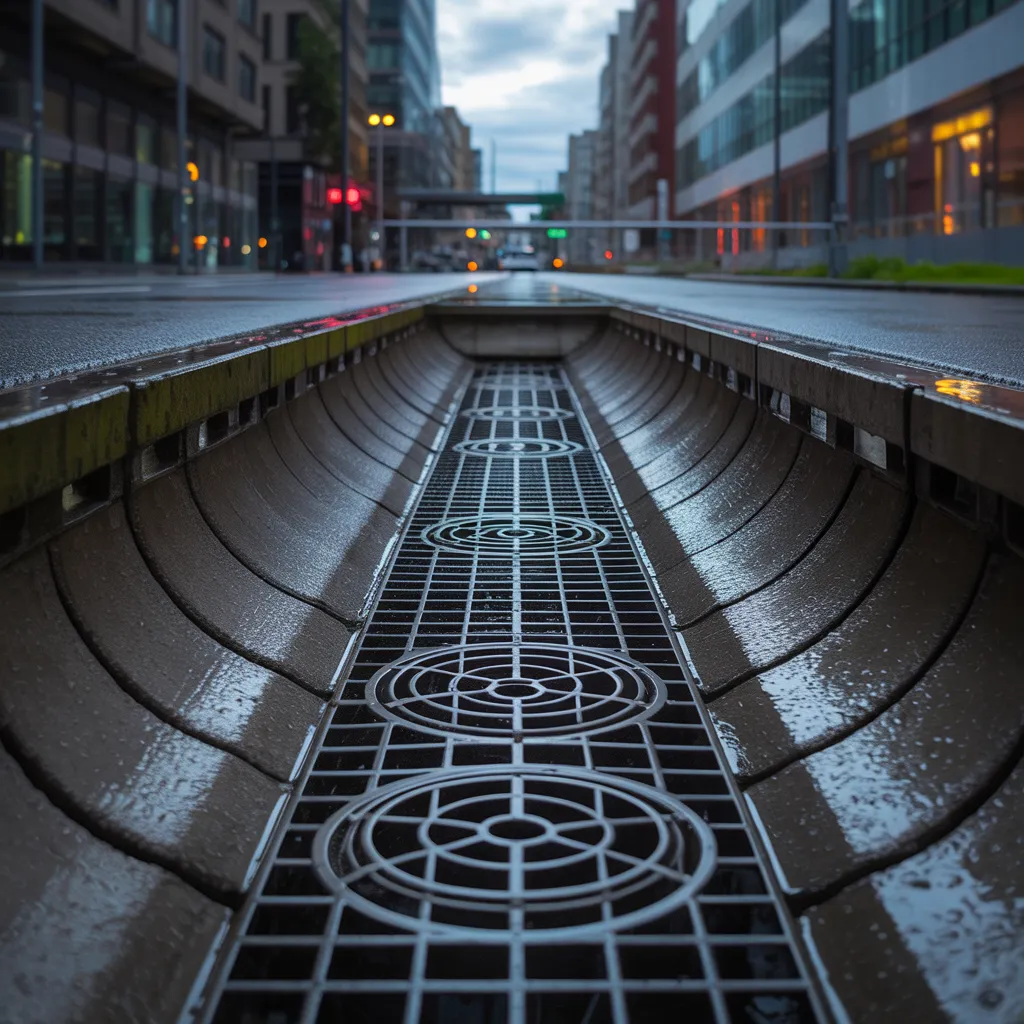
Determining the right drainage system is vital for maintaining a robust home condition. Homeowners have various options to take into account, including French drains, channel drains, and surface drains, each engineered to resolve specific water management needs. French drains, often installed underground, effectively redirect water away from foundations, while channel drains manage surface runoff in areas prone to pooling. Surface drains, typically placed in low areas, accumulate excess water and direct it toward appropriate outlets. Additionally, homeowners should evaluate their landscape's slope and soil type to choose the most effective system. Periodic maintenance of these drainage systems is necessary to confirm they function at their best, protecting the property from potential water damage and maintaining its structural integrity.
When Should You Think About Upgrading Your Drainage System? Learn How to Identify the Signs
The capability of a water management system can substantially shape building soundness and environmental wellness. Property owners need to be observant for signals demonstrating that an improvement may be vital. One unmistakable sign is persistent water accumulation in yards or basements after heavy precipitation. This points out that the current system may be overwhelmed or poorly structured.
Additionally, constant erosion or sediment collection around outdoor structures can indicate poor drainage capacity. If water repeatedly collects near the structure base, it can threaten structural integrity and lead to costly damage. Spotting a growth in mildew or mildew in basements or crawl spaces can also be a red flag, as it indicates too much dampness retention.
Ultimately, if current drainage systems need perpetual repairs or maintenance, it may be more economical to invest in a complete renovation. Detecting these signs promptly can safeguard both your property and investment from potential water damage.
Maintenance Pointers for an Efficient Drainage System
Detecting the cues that a drainage system needs an upgrade can lead owners to prioritize upkeep and repairs for existing systems. Regular inspections are necessary, allowing for the early detection of blockages, drips, or damage. Owners should make sure that gutters and drain outlets are clear of debris, as clogs can create overflow issues and structural problems. Also, checking for proper slope near the property can help direct water away from your building.
Regular cleaning of drainage channels and French drains stops buildup that leads to ineffective drainage. It is also advisable to inspect and maintain sump pumps to guarantee they function during heavy rainfall. Finally, observing vegetation growth near drainage areas can block roots from invading and causing blockages. By implementing these care guidelines, property owners can improve the functionality of their drainage systems and protect their properties from water-related issues.
Perks of Implementing Effective Drainage Solutions
Investing in effective drainage systems not only enhances property value but also safeguards against potential water damage. Proper drainage systems reduce risks associated with flooding, erosion, and mold growth, which can have catastrophic effects on structures and landscapes. By channeling water away from foundations and critical areas, property owners can prevent costly repairs and guarantee long-term stability.
Furthermore, proper water management systems contribute to better soil conditions and outdoor discover the information appearance, encouraging better growth for gardens and lawns. This can lead to a more attractive setting and boost overall curb appeal. Additionally, many insurance companies offer lower rates for properties equipped with efficient drainage systems, further enhancing the monetary advantages of such improvements.
Frequently Inquiries Posed
What is the typical cost of setting up a drain system?
The standard price for drainage system installation falls between $1,500 to $5,000, based on factors such as the size of your property, the type of soil, and system complexity. Homeowners should get multiple quotes for accurate budgeting.
Is it possible to put in a drainage solution without professional help?
Yes, a drainage system can be positioned by an operator with appropriate skills and tools. However, it requires deliberate planning and knowledge of local building codes to guarantee effectiveness and accordance with guidelines.
Which Authorizations Are Required for Installing a Drainage System?
Local requirements often require licenses for drain system installation. Homeowners should consult their local government to identify exact permit needs, which may vary based on property type, complexity of the drainage system, and environmental factors. Compliance guarantees legal and effective installation.
How long Do drain systems typically endure?
Drainage systems frequently work between 30 to 50 years, reliant on materials, installation quality, and maintenance. Systematic inspections and reliable maintenance can dramatically extend their lifespan, providing effective performance over time.
What Are Signs of Poor Drainage in My Yard?
Signs of inadequate water drainage in a yard consist of prolonged pooling, water gathering near the foundation, saturated earth, mold growth, and reduced vegetation development. These indicators point to insufficient drainage systems and possible threat for property deterioration.